
Oct 13th 2026
How to Choose an Ultralight Hot Tent Stove for Backcountry Hunting
How to Choose an Ultralight Hot Tent Stove for Backcountry Hunting
When you're hunting miles from the trailhead, every pound matters. But after a long day in cold, wet conditions, a heated shelter can make camp far more comfortable. An ultralight wood-burning tent stove offers warmth and a place to dry damp gear without the bulk of a traditional wall-tent setup.
Not every stove is right for backpack hunting. Here's what to consider before choosing one.
1. Compare Complete Packed Weight
Don't compare stove-body weight alone. Your packed system may include the stovepipe, spark arrestor, storage bag, and other components. For hunters covering miles on foot, those extras add up.
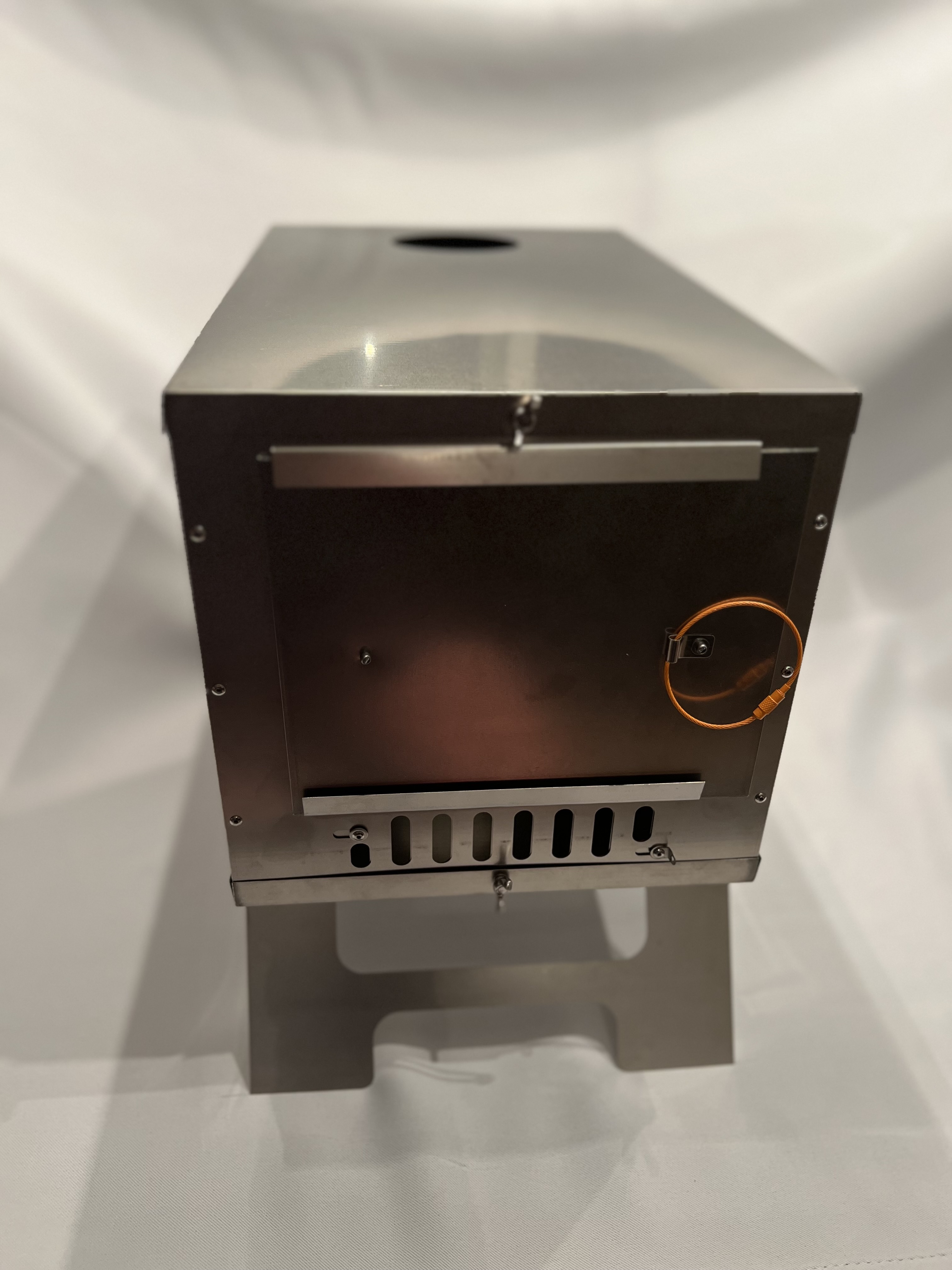
The Backcountry Lite UltiStove Ti is designed around lightweight titanium construction, with a stove body weighing approximately 1 lb 15 oz. Check the product specifications for the complete system weight and included components.
2. Titanium vs. Stainless Steel
Titanium offers an excellent strength-to-weight ratio and is attractive for backpack hunters prioritizing portability. Thin titanium panels also cool relatively quickly after the fire dies down.
Stainless steel is often heavier, but can offer more rigidity depending on construction. For a truck-based camp, that extra weight may not matter. For a remote elk camp, it often does.
3. Match the Firebox to Your Shelter
A larger firebox may accommodate longer pieces of wood, but it adds bulk. Look for a balance of usable heat, packability, and safe fit inside your shelter.
- Firebox dimensions and usable wood length
- Stove-jack and stovepipe compatibility
- Required clearance from tent walls and gear
- Stability on uneven ground
- Ease of assembly in cold weather
The UltiStove Ti's approximate firebox dimensions are 8.75 × 9 × 15 inches. Always verify compatibility with your shelter and follow the manufacturer's installation requirements.
4. Don't Count on an All-Night Burn
Compact titanium stoves prioritize low weight, not necessarily extended burn times. A small firebox typically needs regular refueling. Your sleeping bag and insulated pad must be appropriate for the coldest expected overnight temperature, even if you bring a stove.
A hot tent stove is a comfort upgrade—not a replacement for a proper cold-weather sleep system.
5. Think About the Whole Hot Tent System
The stove is only part of your setup. Your shelter also needs to balance weather protection, interior room, weight, and stove compatibility.
Tipi-style shelters appeal to hunters because they can offer useful interior height with relatively simple construction. The Backcountry Lite Mesa Tipi Tent was developed with lightweight backcountry travel in mind. Pair any shelter and stove only after confirming the specific stove-jack configuration, clearances, and safety requirements.
6. Take Stove Safety Seriously
Wood-burning stoves create fire, burn, and carbon monoxide risks. Use only shelters intended and approved for stove use. Follow the stove and shelter manufacturers' instructions for installation, clearances, ventilation, and operation. Keep combustibles away, use required spark protection, and never leave a burning stove unattended or operate it while sleeping.
A portable carbon monoxide alarm is a valuable additional precaution, but it does not replace proper ventilation or safe operation. Check local fire restrictions before every trip.
7. Is an Ultralight Hot Tent Stove Worth It?
For mild-weather overnight trips, a conventional shelter may be enough. For late-season elk hunts and cold-weather camps where damp gear and freezing mornings are common, a properly used hot tent system can add meaningful comfort.
The right choice comes down to how far you travel, how much weight you're willing to carry, and what conditions you expect.
Meet the UltiStove Ti
Designed for backcountry hunters who count every ounce. Explore the Backcountry Lite titanium wood stove and follow its upcoming availability.
Inventory is expected soon; check the product page for current availability.
Engineered. Ultralight. Value. That's the Backcountry Lite approach to building practical gear for your next adventure.